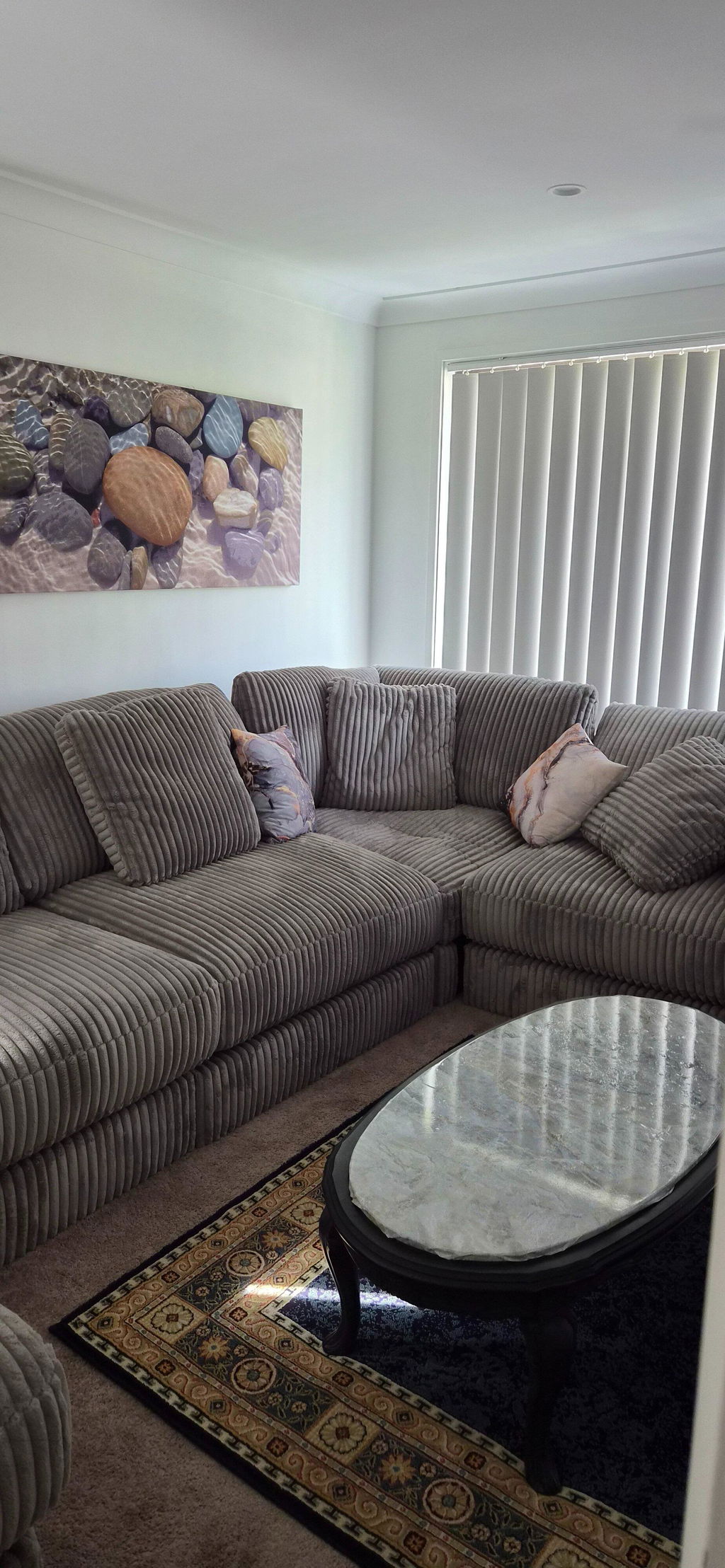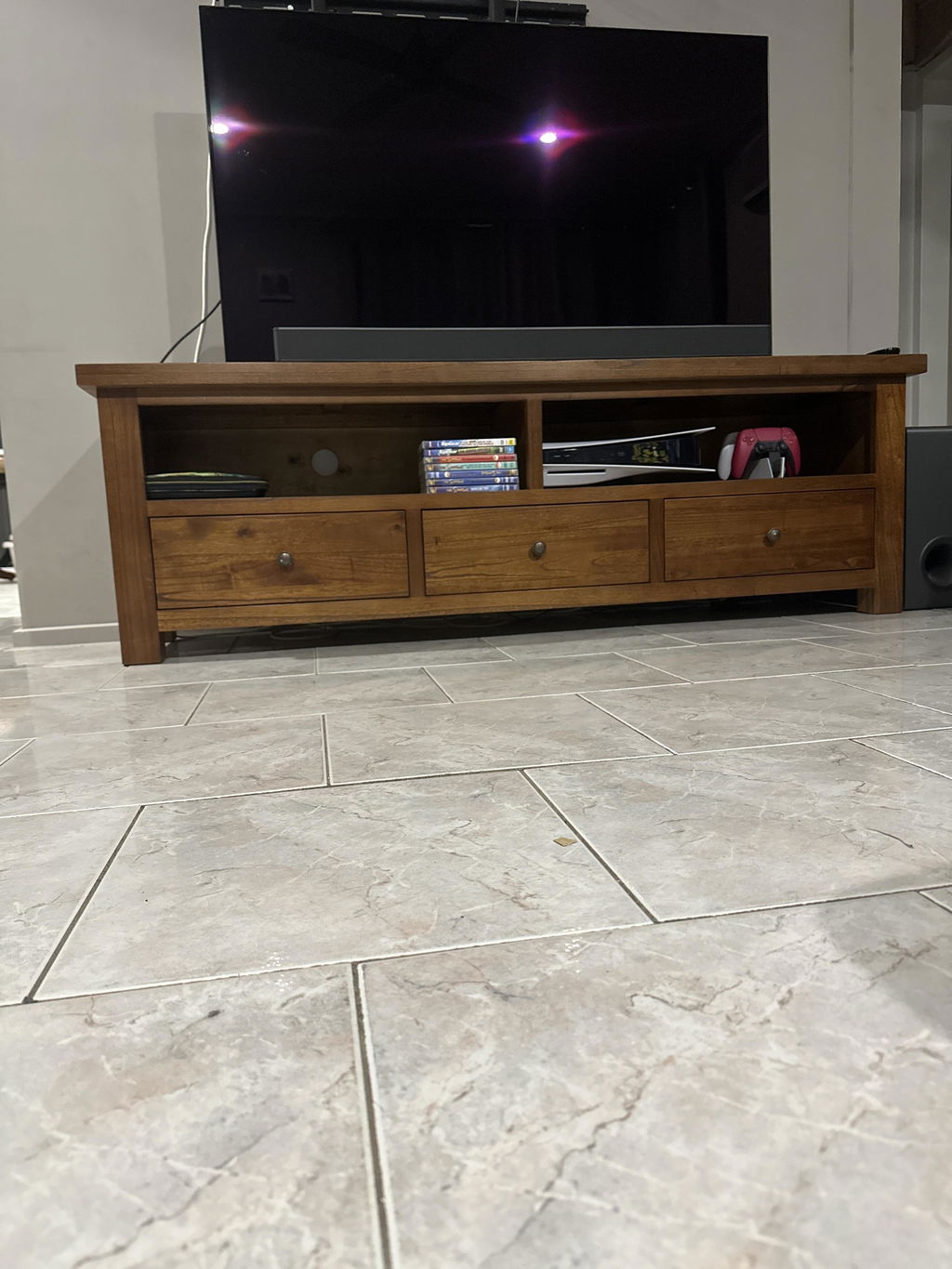

Furniture shapes how a home looks, but it also shapes how it feels. In the living room, the coffee table sits quietly at the centre of daily life — holding a morning cup of coffee, a favourite book, or a bowl of snacks when friends visit. When that table is crafted from wood, it brings more than practicality; it introduces warmth, texture, and a comforting sensory experience.
A wooden coffee table invites touch in a way few materials can. Its natural grain, gentle warmth, and organic presence help create a living space that feels relaxed, grounded, and truly welcoming.

1. The Natural Warmth of Wood
Wood has a warmth that is immediately noticeable the moment you run your hand across its surface. Unlike glass or metal, which can feel cold and distant, wood offers a gentle warmth that makes a room feel more inviting.
This natural quality works beautifully in Australian homes, where living spaces often prioritise comfort and connection. Whether you’re settling in during a cool Canberra winter evening or enjoying a relaxed summer night on the Gold Coast, a wooden coffee table adds a sense of ease and familiarity to the environment.
Its warmth doesn’t shout for attention — it simply softens the room, helping the space feel calm and balanced.

2. Texture That Invites You to Slow Down
One of the most enjoyable aspects of wooden furniture is its tactile character. Every piece of timber carries subtle variations in grain and texture, creating a surface that feels alive rather than manufactured.
Running your fingertips across a wooden coffee table reveals these natural patterns — gentle lines, soft ridges, and flowing shapes formed over time. This sensory detail encourages people to linger, to rest a hand on the table while chatting, or to absent-mindedly trace the grain while enjoying a quiet moment.
These small interactions may seem simple, but they contribute to a deeper sense of comfort in the home.

3. A Cosy Contrast to Modern Materials
Modern interiors often feature sleek surfaces like glass, stone, or polished metal. While these materials can create a clean and contemporary look, they sometimes lack the warmth that makes a room feel truly lived in.
A wooden coffee table provides the perfect contrast. Its natural tones and textures soften sharper materials and introduce balance into the space. The combination of smooth wood surfaces with textiles such as rugs, cushions, and throws creates a layered environment that feels cosy without appearing cluttered.
In open-plan Australian homes, this balance is especially valuable. Wood helps bridge the gap between modern design and everyday comfort.

4. Everyday Moments That Feel More Meaningful
Some of the most memorable moments at home happen around the coffee table. It might be placing a steaming mug down during a rainy afternoon, setting out a plate of snacks when friends drop by, or stacking magazines for a quiet evening of reading.
When the table beneath these moments is made from wood, it adds a subtle sense of craftsmanship and care. The surface feels reassuringly solid and familiar — a small reminder of the natural world within the comfort of your home.
Over time, these everyday interactions create a deeper connection to the space. The coffee table becomes more than furniture; it becomes part of daily rituals and shared experiences.

5. Creating a Living Room That Feels Like Home
Ultimately, the appeal of a wooden coffee table lies in how it makes a space feel. It grounds the room visually while offering a sensory richness that synthetic materials rarely achieve.
Its natural character encourages people to gather, relax, and enjoy the moment. Whether hosting guests, sharing a conversation, or simply unwinding after a long day, the presence of wood adds warmth and authenticity to the living room.
In a world filled with fast-changing trends, the tactile comfort of wood remains timeless. It reminds us that the best interiors are not just visually pleasing — they are spaces that feel welcoming, personal, and truly lived in.