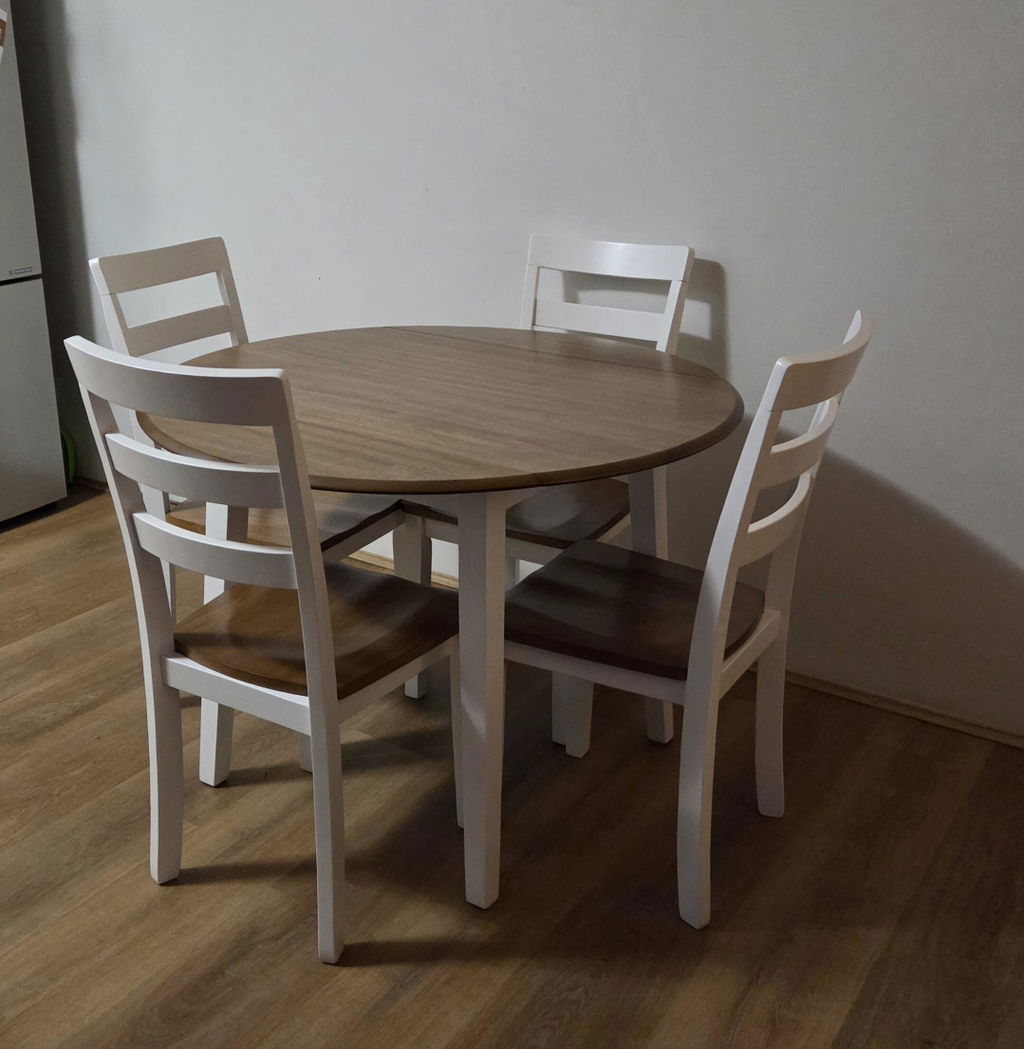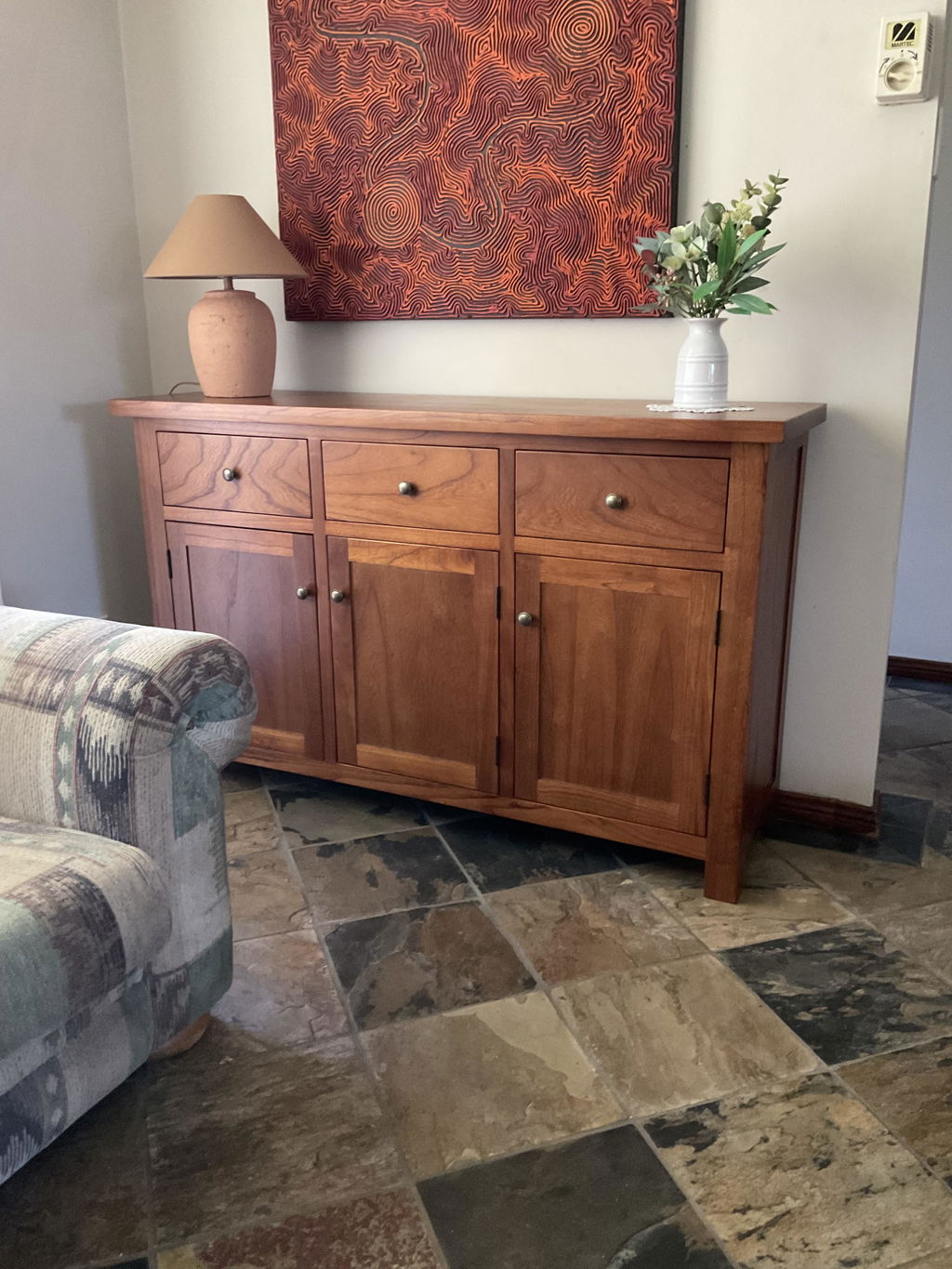

Side tables are often treated as secondary pieces of furniture, there to hold a cup of coffee, a lamp or the book you are currently reading. But their role in interior design can be much more significant. The right side table can introduce contrast, connect different elements in a room and even create a subtle focal point. With thoughtful placement and styling, side tables can help bring an entire interior scheme together without overwhelming the space.
Create a Focal Point with the Right Shape
A side table does not need to be large or elaborate to attract attention. Its shape, proportions and materials can give it a strong visual presence, particularly when placed against a simpler backdrop.
A sculptural silhouette can add interest beside a sofa or armchair, while a clean-lined design can reinforce a contemporary interior. Rounded forms can soften rooms filled with straight lines, whereas angular tables can introduce definition and structure to softer furnishings.
This makes side tables a useful tool for adding another layer of visual interest. Rather than simply filling an empty corner, they can become an intentional part of the room's design.
Use Side Tables to Balance a Room
Good interior design is often about balance. Furniture, colours, textures and decorative elements all need to work together without making one side of the room feel noticeably heavier than another.
Side tables can help achieve this balance in surprisingly simple ways. A table positioned beside a sofa can visually anchor one end of the seating area, while matching or complementary tables can create symmetry around larger furniture.
Balance does not necessarily mean everything has to match. Two different side tables can work beautifully together when they share something in common, such as a similar finish, shape, scale or material. This approach creates a more collected look while still giving the room personality.
Introduce Contrast Through Materials
One of the easiest ways to make a side table stand out is through contrast. If your living room features soft upholstery and fabric textures, a table with a harder surface can provide definition. Similarly, natural timber can bring warmth to an interior dominated by cooler tones and smooth finishes.
Mixing materials can also prevent a room from feeling too uniform. Wood, metal, glass and textured surfaces each reflect light and contribute a different visual quality. A carefully chosen side table can therefore add depth without requiring major changes to the rest of the room.
For a more cohesive interior, consider repeating a material or finish elsewhere in the space. A timber side table, for example, can subtly connect with timber flooring, shelving or decorative accents.
Style the Surface Without Overdoing It
Once the table is in place, a small amount of styling can turn it into a genuine design feature. A table lamp can provide height and practical lighting, while a book, vase or decorative object adds personality.
The key is to leave some breathing room. Covering every part of the surface can make even a beautiful side table feel cluttered. Instead, choose a few pieces with different heights and textures to create a more considered arrangement.
You can also change the styling with the seasons. Fresh greenery, lighter decorative pieces and natural textures can create a relaxed spring and summer feel, while books, candles and richer textures can make the space feel warmer during cooler months.
Let Small Furniture Shape the Bigger Picture
A well-chosen side table may be a relatively small piece of furniture, but its impact can extend throughout the room. It can frame a favourite chair, fill an awkward gap, balance a large sofa or draw attention to an otherwise overlooked corner.
When choosing a side table, think beyond whether it has enough space for a drink or lamp. Consider its relationship with the furniture around it, the proportions of the room and the overall interior style. The most successful accent pieces are those that feel both useful and intentional.
Whether you are refreshing a complete living room or simply looking for an easy way to update your décor, side tables offer plenty of creative possibilities. Sometimes, it is the smaller details that give a room its finished character.